

Crypto Betting Guides
Paripesa USDT Deposits and Withdrawals Guide
Learn how to fund your account with Tether and manage crypto transactions efficiently.

Sports Betting Analyst & Football Predictions Expert
Brian Otieno is a Kenyan sports betting analyst with over 10 years of experience in football predictions, match analysis, and betting strategies. He specializes in European football leagues, statistical analysis, odds comparison, and identifying value betting opportunities. His approach combines data-driven insights, team performance research, and disciplined bankroll management to help sports enthusiasts make more informed betting decisions.
Getting Started with USDT on Paripesa
Paripesa has integrated Tether (USDT) as one of its primary cryptocurrency payment options, giving users a stablecoin alternative to volatile assets like Bitcoin or Ethereum. The platform supports multiple USDT networks, which matters because fees and confirmation times differ significantly between them. Most users will encounter TRC20 (Tron network) and ERC20 (Ethereum network) as the two main options, though BEP20 (Binance Smart Chain) and other networks may appear depending on your region. Before making your first deposit, verify which network your external wallet or exchange uses. Sending USDT on the wrong network is a common mistake that can result in permanent loss of funds, and Paripesa support typically cannot recover assets sent to an incompatible network address.
Contents
- 1. Getting Started with USDT on Paripesa
- 2. How to Deposit USDT on Paripesa
- 3. USDT Withdrawal Process and Limits
- 4. Transaction Fees and Network Considerations
- 5. Using USDT for Sports Betting and Casino
- 6. Mobile App USDT Transactions
- 7. Security and Verification Requirements
- 8. Common Issues and Troubleshooting
- 9. Paripesa USDT vs Other Crypto Options
- 10. Final Assessment of Paripesa USDT
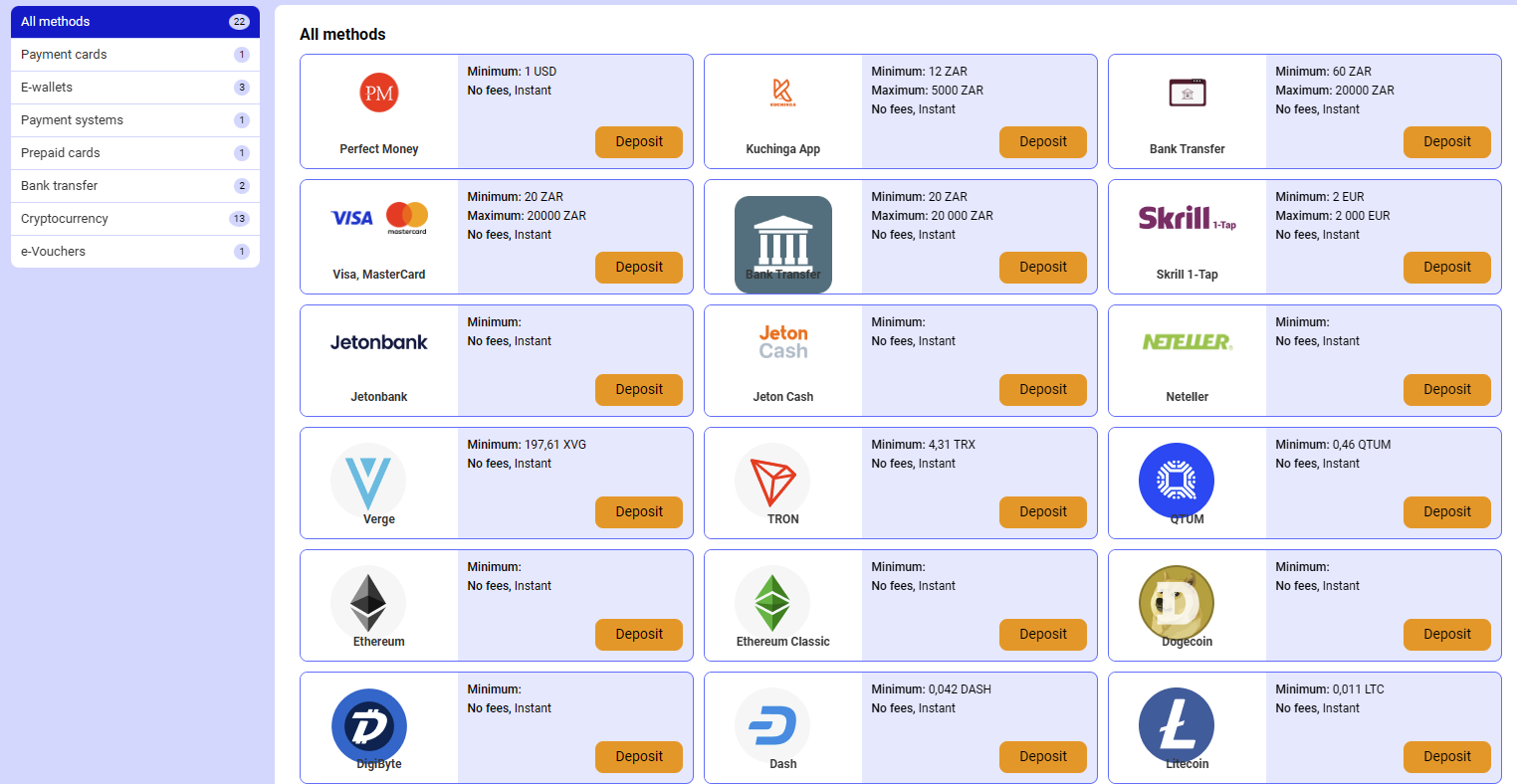
The minimum deposit for USDT generally starts around 1 USDT equivalent, though this can shift based on the selected network and current blockchain congestion. Maximum deposit limits are rarely enforced for crypto transactions, but very large amounts may trigger additional verification. Once a deposit is initiated, the platform waits for network confirmations — usually one confirmation for TRC20 and several for ERC20 — before crediting your account. During periods of high network activity, ERC20 deposits can take 15 to 30 minutes or longer, while TRC20 deposits typically complete within a few minutes. The deposit page displays a unique wallet address and often a QR code for each supported network; always double-check that you are copying the address for the correct network before sending.
How to Deposit USDT on Paripesa
The deposit flow is straightforward but requires attention to network selection. Log into your Paripesa account, navigate to the Deposit section, and choose USDT from the cryptocurrency list. You will see a dropdown or tabs for available networks — select the one matching your sending wallet. Copy the displayed deposit address exactly, or scan the QR code with your mobile wallet app. Paste the address into your external wallet or exchange withdrawal form, enter the amount, and confirm the transaction. After broadcasting, the deposit will appear in your transaction history with a pending status until the required confirmations arrive. Do not attempt to deposit a different token (such as USDC or BUSD) to a USDT address; the platform credits only the specified asset on the specified network.
- Log in and open the Deposit page
- Select USDT from the crypto payment list
- Choose the correct network (TRC20, ERC20, BEP20, etc.)
- Copy the deposit address or scan the QR code
- Send USDT from your external wallet or exchange
- Wait for network confirmations
- Check your Paripesa balance once credited
If a deposit does not appear after the expected confirmation window, first verify the transaction hash on a block explorer for the relevant network. Confirm that the destination address matches the one shown in your Paripesa deposit page exactly, including case sensitivity where applicable. Some users accidentally send to an old address from a previous session; Paripesa may rotate deposit addresses for security, so always fetch a fresh address for each new deposit. If the transaction shows confirmed on-chain but remains uncredited after a reasonable time, contact support with the transaction hash, amount, network, and timestamp. Support response times vary, but crypto-related tickets are usually prioritized.
USDT Withdrawal Process and Limits
Withdrawing USDT follows a similar network-selection process. Go to the Withdrawal section, choose USDT, pick the network, enter your external wallet address, and specify the amount. The platform will display the network fee (which Paripesa deducts from the withdrawal amount) and the minimum withdrawal threshold. For TRC20, the fee is typically 1 USDT or less; for ERC20, it can range from 3 to 10 USDT depending on Ethereum gas prices. Minimum withdrawal amounts often mirror the fee structure — expect roughly 10 USDT minimum for TRC20 and 20 USDT or more for ERC20. Maximum single-transaction limits exist but are high enough for most users; very large withdrawals may be split across multiple transactions or require manual approval.
Scroll horizontally to see all columns
| Network | Typical Fee | Min Withdrawal | Speed |
|---|---|---|---|
| TRC20 (Tron) | 1 USDT | 10 USDT | 5-15 minutes |
| ERC20 (Ethereum) | 5-10 USDT | 20 USDT | 15-60 minutes |
| BEP20 (BSC) | 0.5-1 USDT | 10 USDT | 5-10 minutes |
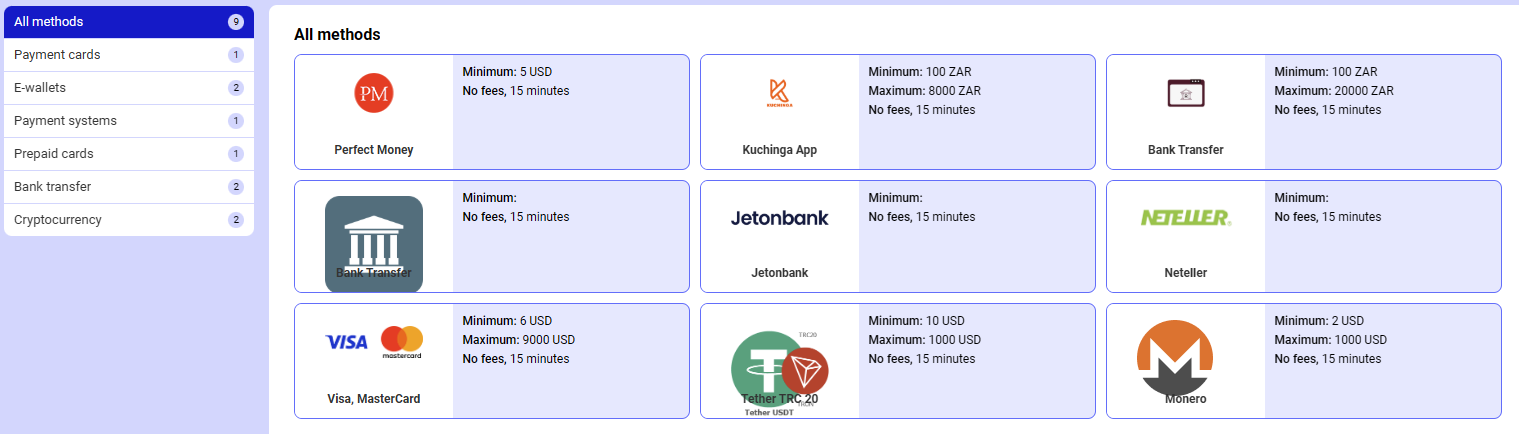
Withdrawal processing on Paripesa's side is usually quick — often within minutes — but the blockchain confirmation time dominates the total wait. TRC20 and BEP20 withdrawals typically reach your wallet within 15 minutes of approval. ERC20 withdrawals can take longer during network congestion. The platform may require email or SMS confirmation for withdrawals, and accounts with incomplete KYC may face lower limits or additional holds. If you enable two-factor authentication (2FA), each withdrawal will prompt for a code, adding a small but worthwhile security step. Always verify the destination address before confirming; crypto withdrawals are irreversible once broadcast.
Transaction Fees and Network Considerations
Network choice has a direct impact on cost and speed. TRC20 is the cheapest and fastest for most users, with fees often below 1 USDT and near-instant confirmations. ERC20 is the most widely supported across exchanges and wallets but suffers from high and unpredictable gas fees; a $50 deposit can cost $10-15 in network fees during peak times. BEP20 offers a middle ground with low fees and broad wallet support, though not all external platforms support it for USDT. Some users default to ERC20 out of habit, but for routine betting deposits and withdrawals, TRC20 or BEP20 will preserve significantly more of your bankroll over time. Check your external wallet or exchange to confirm which networks they support for USDT deposits and withdrawals before committing.
- TRC20: lowest fees, fastest confirmations, wide wallet support
- ERC20: highest fees, slowest during congestion, universal compatibility
- BEP20: low fees, fast, growing but not universal support
- Polygon, Arbitrum, Optimism: emerging options, check availability
- Always match the network on both sending and receiving ends
Paripesa does not charge additional deposit or withdrawal fees beyond the blockchain network fee. The fee displayed on the withdrawal page is the exact amount deducted from your requested sum. This transparency is helpful, but it means you must account for the fee when planning withdrawal amounts. For example, requesting a 100 USDT withdrawal on ERC20 with a 8 USDT fee will deliver 92 USDT to your wallet. There are no hidden conversion spreads when using USDT directly — your balance remains in USDT unless you manually convert to another currency in the account settings. Some promotions or bonuses may require fiat currency play, so check terms before depositing USDT if you intend to claim a specific offer.
Using USDT for Sports Betting and Casino
Once USDT is credited to your Paripesa account, it functions like any other balance currency for placing bets. The sportsbook covers thousands of pre-match and live events across football, cricket, tennis, basketball, esports, and niche markets. Odds are displayed in your preferred format (decimal, fractional, American) regardless of account currency. For casino play, USDT works across slots, live dealer tables, game shows, and instant games like Aviator. The crash game Aviator has become particularly popular with crypto users due to its fast rounds and provably fair mechanics. All wins and losses settle in USDT, so your balance reflects real-time value without conversion fluctuations during a session.
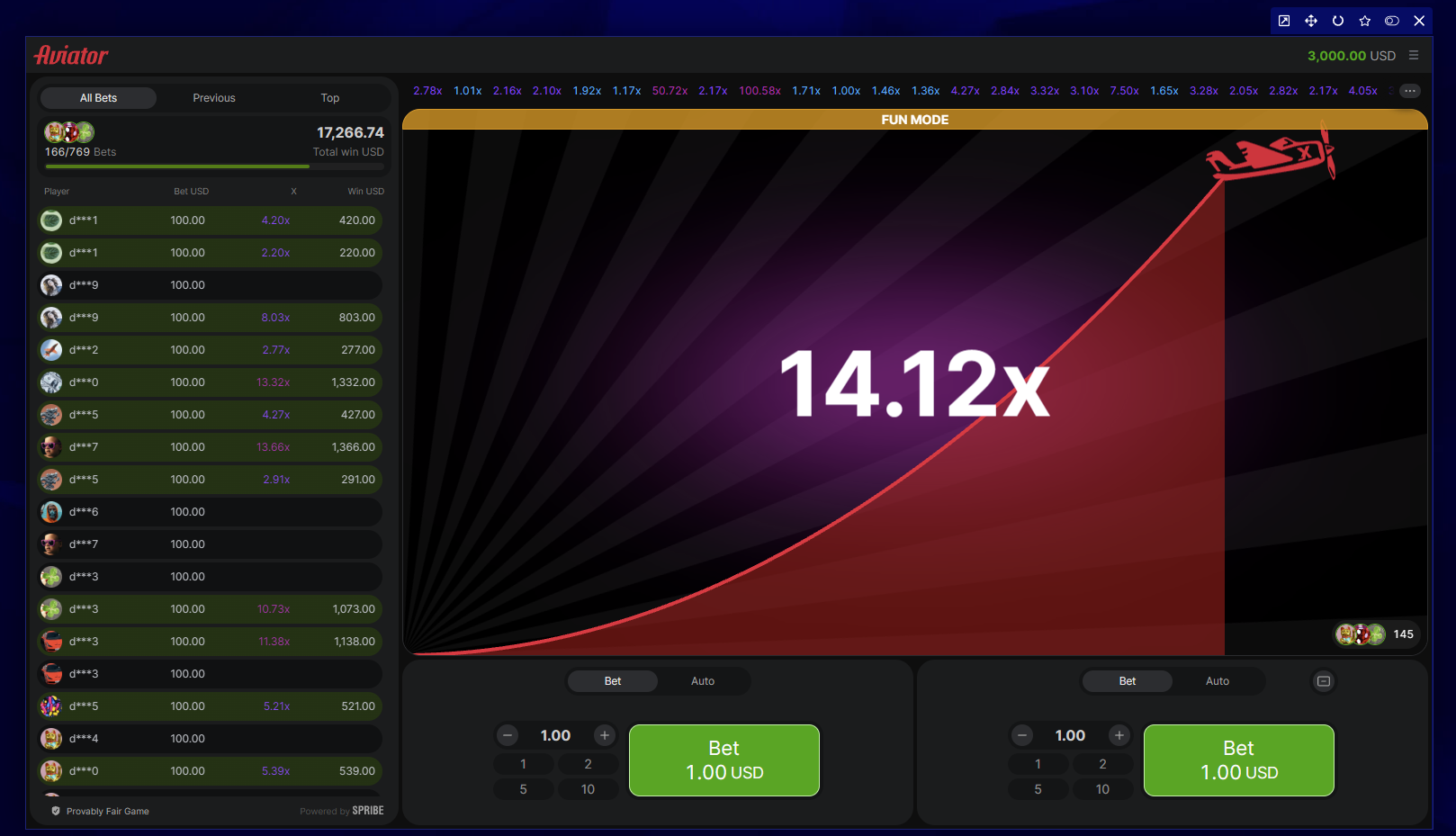
One practical consideration: some game providers or specific titles may not support USDT directly and will convert your stake to an internal currency (often EUR or USD) at a fixed rate for the duration of the game round. The conversion is typically 1:1 for USDT to USD, but always check the game rules or help section if you notice discrepancies. Bonus wagering requirements, when denominated in fiat, will convert your USDT balance at the prevailing rate for tracking progress. This conversion is usually transparent, but it means a large USDT deposit could show a slightly different bonus progress bar value depending on the exact rate used. For most players, the difference is negligible.
Mobile App USDT Transactions
The Paripesa mobile app (Android APK and iOS) replicates the full desktop deposit and withdrawal flow, including USDT network selection. The app interface condenses the network tabs into a dropdown, but all networks available on desktop are present. QR code scanning works natively via the device camera, which is often faster than copying addresses manually. Push notifications can alert you when a deposit is credited or a withdrawal is approved, reducing the need to refresh the transaction history. The app also supports biometric login (fingerprint or Face ID), which streamlines the 2FA step for withdrawals. If you primarily manage crypto on a mobile wallet like Trust Wallet or MetaMask Mobile, the app-to-app workflow is seamless.
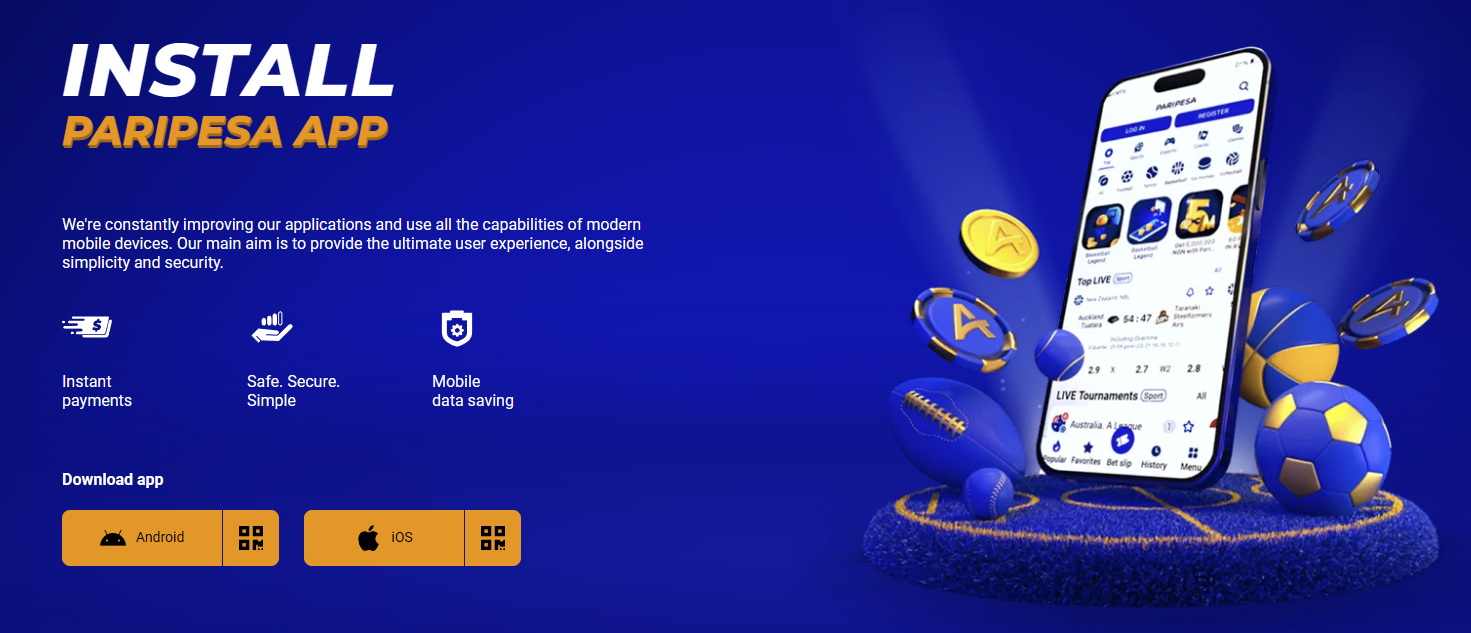
Android users must download the APK from the Paripesa website since the app is not on Google Play due to gambling policy restrictions. Enable installation from unknown sources temporarily, install the APK, then disable the setting again for security. iOS users can download directly from the App Store in supported regions, or use the mobile website as a fallback. The mobile website is fully responsive and supports all USDT functions, though the native app offers slightly better performance and notification reliability. Keep the app updated; Paripesa releases updates periodically to add new payment networks or fix compatibility issues with newer OS versions.
Security and Verification Requirements
Paripesa operates under a Curacao license, which mandates basic KYC (Know Your Customer) procedures. For crypto users, the verification threshold is often higher than for fiat methods because blockchain transactions are pseudonymous. Expect to provide a government-issued ID (passport, driver's license, or national ID), a selfie with the document, and proof of address (utility bill or bank statement no older than three months) before your first withdrawal or once cumulative transactions reach a certain level. Some users report being asked for source-of-funds documentation for large crypto deposits, such as exchange withdrawal screenshots or wallet ownership proof. Completing verification early avoids delays when you want to withdraw winnings.
- Government-issued photo ID (passport preferred)
- Selfie holding the ID document
- Proof of address (utility bill, bank statement)
- Source of funds for large deposits (exchange screenshots)
- Email and phone verification (mandatory for all accounts)
- Two-factor authentication (strongly recommended)
Enable 2FA immediately after registration. Paripesa supports Google Authenticator, Authy, and SMS codes. Authenticator apps are more secure than SMS, which can be vulnerable to SIM-swap attacks. With 2FA active, every login, withdrawal, and security setting change requires a time-based code. The platform also offers a withdrawal whitelist feature — you can pre-approve specific wallet addresses, and any withdrawal to a non-whitelisted address will require additional confirmation. This is useful if you regularly withdraw to the same cold storage wallet. Keep your recovery codes in a safe place; losing 2FA access without recovery codes means a lengthy support process to regain account control.
Common Issues and Troubleshooting
The most frequent USDT issue is sending on the wrong network. If you send ERC20 USDT to a TRC20 deposit address (or vice versa), the funds will not appear. Paripesa cannot credit cross-network deposits automatically because the receiving wallet does not control the private keys for the other network. In rare cases, support may attempt a manual recovery if the platform holds the private keys for both networks, but this is not guaranteed and can take weeks. Always verify the network badge on the deposit page matches your sending wallet. A second common issue is sending below the minimum deposit threshold; amounts under the minimum are not credited and usually cannot be returned. Check the current minimum before sending, as it can change with network fee fluctuations.
- Wrong network selected — funds likely lost unless manual recovery possible
- Below minimum deposit — not credited, rarely recoverable
- Deposit address expired — always generate a fresh address
- Insufficient network confirmations — wait longer, check block explorer
- Withdrawal rejected — usually due to unverified account or wrong address format
- Fee higher than expected — ERC20 gas spikes, switch to TRC20 or BEP20
Withdrawal rejections often stem from incomplete KYC or entering an address format incompatible with the selected network (e.g., an Ethereum address for a TRC20 withdrawal). The platform validates address format before submission, but copy-paste errors can still produce invalid checksums. If a withdrawal shows "processing" for more than a few hours, check your email for a confirmation link — some withdrawals require email approval even with 2FA enabled. Support can expedite stuck withdrawals, but they will ask for the transaction ID and may request a screen recording of the withdrawal attempt. Patience is required; crypto teams handle high ticket volumes during major sporting events or market moves.
Paripesa USDT vs Other Crypto Options
Paripesa supports a wide range of cryptocurrencies beyond USDT: Bitcoin (BTC), Ethereum (ETH), Litecoin (LTC), Dogecoin (DOGE), Tron (TRX), Binance Coin (BNB), and several others. Each has different fee structures, confirmation times, and volatility profiles. USDT stands out for stability — its value stays pegged to the US dollar, so your bankroll does not swing with crypto market moves. Bitcoin offers the highest liquidity and universal acceptance but suffers from higher fees and slower confirmations (often 30-60 minutes for one confirmation). Ethereum shares USDT's ERC20 network fees but adds ETH price volatility. Litecoin and Dogecoin are cheap and fast but less commonly held. Tron (TRX) is the native asset for the TRC20 network and works well if you already hold it, but you still face TRX price risk.
Scroll horizontally to see all columns
| Asset | Stability | Typical Fee | Speed | Best For |
|---|---|---|---|---|
| USDT (TRC20) | Stable ($1) | ~1 USDT | Fast | Bankroll stability, low fees |
| Bitcoin (BTC) | Volatile | 0.0002-0.0005 BTC | Slow | Large transfers, max liquidity |
| Ethereum (ETH) | Volatile | 0.003-0.01 ETH | Medium | DeFi users, ERC20 ecosystem |
| Litecoin (LTC) | Volatile | 0.001 LTC | Fast | Low fees, wide exchange support |
| Tron (TRX) | Volatile | ~1 TRX | Very fast | TRC20 native, micro transactions |
For pure betting purposes, USDT on TRC20 or BEP20 is the most practical choice. You deposit $100, you have $100 to play with (minus a ~$1 fee), and when you withdraw $150, you receive ~$149. No need to time the market or worry about a 10% drop between deposit and withdrawal. Bitcoin maximalists may prefer BTC for philosophical reasons or because they earn in BTC, but they accept the fee and volatility trade-off. Some users keep a multi-currency balance on Paripesa — USDT for active betting, BTC for long-term holding — and convert between them using the internal exchange feature when rates are favorable. The internal exchange applies a spread, so it's not a substitute for a dedicated exchange, but it's convenient for small rebalancing.
Final Assessment of Paripesa USDT
Paripesa's USDT implementation is solid for everyday betting and casino use. The multi-network support (TRC20, ERC20, BEP20) covers the vast majority of user wallets and exchanges. Fees are transparent and limited to blockchain network costs — no hidden markups. Deposit and withdrawal flows are intuitive once you understand the network selection requirement. The main friction points are user-error risks (wrong network, expired address, below minimum) and the KYC process for larger amounts. These are industry-standard, not Paripesa-specific. Mobile app parity means you can manage USDT funds on the go without compromise. For anyone holding USDT on a major exchange or in a self-custody wallet, Paripesa offers a reliable on-ramp to sports betting and casino gaming with minimal friction and predictable costs.
Frequently Asked Questions
Which USDT network should I use on Paripesa?
TRC20 (Tron) is usually the best choice — lowest fees (~1 USDT) and fastest confirmations. Use ERC20 only if your exchange or wallet does not support TRC20 or BEP20.
What is the minimum USDT deposit on Paripesa?
The minimum deposit is typically around 1 USDT for TRC20 and BEP20, and around 10-20 USDT for ERC20. Always check the deposit page for current minimums before sending.
Can I send USDC or BUSD to a Paripesa USDT address?
No. Paripesa credits only USDT on the selected network. Sending a different stablecoin will result in loss of funds.
How long do USDT withdrawals take?
TRC20 and BEP20 withdrawals usually complete within 15 minutes after approval. ERC20 can take 15-60 minutes depending on Ethereum network congestion.
Does Paripesa charge extra fees for USDT deposits or withdrawals?
No. Paripesa only passes through the blockchain network fee. There are no additional deposit or withdrawal commissions.
What happens if I send USDT on the wrong network?
Funds sent to an incompatible network address are generally not recoverable. Paripesa support may attempt manual recovery in rare cases, but success is not guaranteed.
Is KYC required for USDT withdrawals?
Yes. Paripesa requires identity verification (ID, selfie, proof of address) before processing withdrawals, especially for crypto transactions.
Can I use USDT for all games and sports markets on Paripesa?
Yes. Once deposited, USDT functions as your account currency for sports betting, live casino, slots, and instant games like Aviator.